
Hi queens. As a black woman, we’re so familiar with the theft of our culture. From big hoops and long nails are so ghetto to oh I love my nails to be long and I absolutely love hoops.
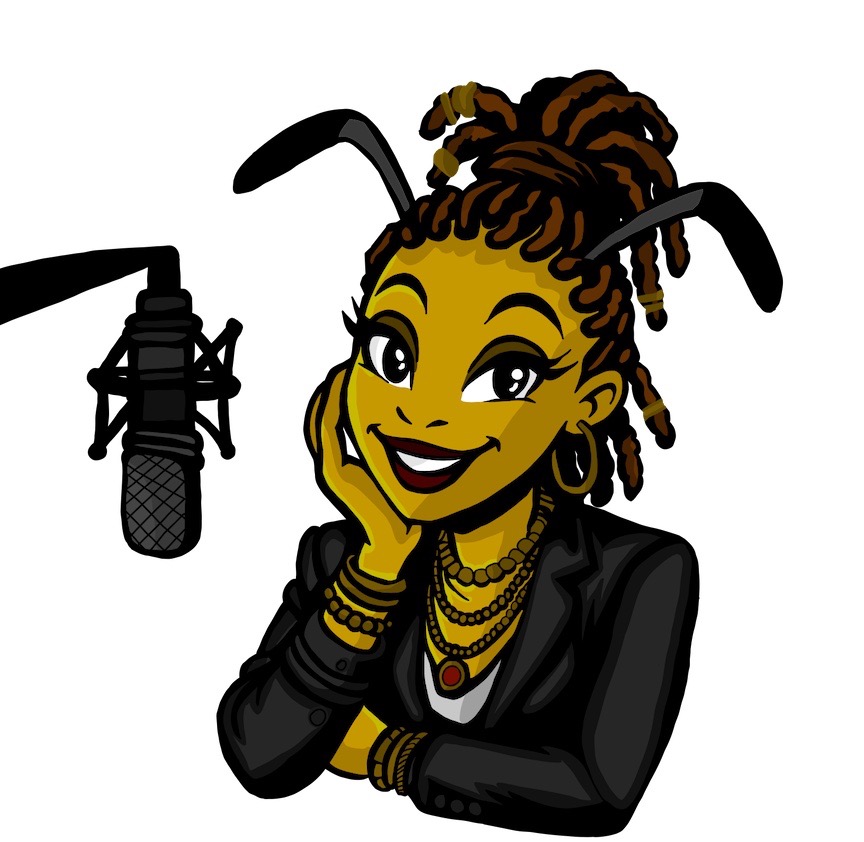
We’ve dealt with microaggressions all of our life and have been told to sit silently and say nothing but honestly wouldn’t ask the world whenever to make a black woman shut up. Hi, my name is Tiana Allen and welcome to Crown Conversations where we talk about culture, womanhood, power, straight from the throne. Black culture is the most influential culture in the world.
You can find examples of this all over the globe from Asian men wearing hood styles by locking up their hair and wearing baggy jeans that makes them sag to the floor to local Americans wearing grills and faking a black scent to please the crowd around them. Black culture is the most popular trend for non-blacks to pick up. However, doesn’t it seem a bit disrespectful how black culture is portrayed by these people? Let’s start with clothing.
When non-black people try to pick up on black styles, they tend to go for more of the hood styles. In Korea, there’s a style that they call hood unnies. Unnie is the Korean term for auntie.
This started with K-rap star Jessi suddenly blew up with the success of her raspy voice and hit songs. However, she didn’t dress like your average Korean. She has big boobs, darker skin, and an extremely botched BBO.
Lip injections for days and a swag way of talking. With her popularity shining bright at the time, as well as the rise of tourism in Korea, many women wanted to look like her. With the introduction of TikTok, it was suddenly easy.
Look at black women. And so became the rise in hood unnies, wearing skimpy clothes, hair down to their knees, grills in their mouth, and being as raunchy as possible. The men soon were also influenced through the K-rap becoming even bigger and started to dress quote-unquote swag like Korean stars would by pretending to have guns, wearing baggy pants, getting multiple tattoos, and having locked up 1A hair or perming their hair to be a 4C texture.
If you’re curious about how that looks, look up the style on Google. It is as ridiculous as it seems. Suddenly, a side of black culture that we look down upon is being used to portray black culture altogether.
Speaking of black culture, what about the culture vultures? You know, white people who want to be black oh so badly and reclaim it as their own? Yeah, them. I’ve always had an ick. An ick about how some gay non-black males will portray themselves to seem feminine.
Long nails, raunchy clothing, extremely flamboyant makeup, and once again, a black scent. On top of all of that, their attitudes are absolutely atrocious and they don’t see that the way that they act is very similar to what the black community calls ghetto females. They think it’s okay and it’s absolutely not.
And white women? Don’t get me started on them. Lip injections, lip flips, BBLs, butt shots, wearing braids, wearing long nails, wearing big hoop earrings and chains, and surrounding themselves with black people who just want to be seen. They may be worse.
The prime example of this is Alabama Baker, the daughter of the famous magician Travis Barker and stepdaughter of Kourtney Kardashian. They started off her fame as a typical white girl, making cute girl pop music and just being a rich white girl. Until recently, she got a BBL, lip injections, very long blonde hair extensions, and surrounds herself with black people after allegedly dating rapper Tyga at a young age.
She started to quote-unquote act black. Suddenly, instead of speaking soft like normal, she had a thick Atlanta accent despite being born in Beverly Hills and constantly acted as if she was from the hood. Due to her wanting to be black so bad, she was robbed multiple times in her home for letting the wrong people surround her, clowned constantly on social media, and got into a feud with rapper Bad Baby, also known as Danielle, another white rapper who rose to fame due to her troubled background being aired out on Dr. Phil, resulting in her iconic phrase, catch me outside, how about that, and a very successful rap career.
Danielle recently started to work on herself due to going through even more traumatic events and having her first child. She was doing well until things hit the fan. Suddenly, we found out that her and Alabama were best of friends until Alabama slept with Danielle’s baby father.
Danielle exposed Alabama for this and suddenly diss tracks were being dropped? Alabama made the first diss, Cry Baby, where she aired Danielle’s personal business. She then once again cosplayed as a hood white girl throughout this music video. Danielle responds with her diss track, Miss Whitman and OG Crashout, where she tells Alabama’s dirty laundry and also tells her to stop cosplaying as a ghetto black woman and be herself.
Bad publicity is a no-no for the Kardashians, so soon we see Alabama without the black sand and speaking like the valley girl she is, doing a Lou Limit Haul. On the flip side, Danielle is seen wearing braids and promoting her rap career again while doing a remix of F My Baby Daddy by Sexy Red and being told by the media that she now needs to stop cosplaying a black girl and let her abusive baby daddy go. Did I mention he was a black man? Yeah.
Oh, and another example, my favorite artist Mona Leo made a song called Sexy Salon. In this song, she talks about black culture and how people always want to be us while cleverly using acts of root work as adjectives for certain actions. For example, for example, she has a verse where she passionately stresses that if you are not black you cannot use the n-word and she lets white people know that they are not invited to the streets.
In the example of her using root work, she talks about how she has honey on her tongue that makes her talk slick. If you don’t know what that means, then let me introduce you to this. Hoodoo is a form of spirituality that Southern African Americans like myself practice.
So when you put honey on the tongue, it’s supposed to mask what your actual intentions is. It makes your speech seem sweeter and it’s mostly used to attract males. So her using honey on her tongue makes her speech appear sweeter despite the derogatory or mean message.
When the song was released, all the African American women loved it. It was a hit and became mine as well as other black women’s national anthem. Of course though, black women can’t stay happy for too long.
Monolitho started to receive death threats and hate messages from non-black people due to her expressing her distrust in them and overall dislike in not just this specific song but many more of her hits. But per usual, we’re used to the hate and simply make fun of them for being so tender-hearted and continue being happily black. I use these examples because I think that they show the vastly different ways that black women are affected by mainstream media.
Popularizing certain things until a black woman comes in and says, no this is mine and you can’t have it. Suddenly we’re gatekeeping and we should take after Martin Luther King Jr. and bring unity and peace. If you didn’t know, I’m more of a Malcolm X and Assata Shakur type of girl.
I absolutely do not believe in sharing my culture and just turning a blind eye to the way black women are being constantly displayed in the media. However, it does boost my ego to know that everyone wants to be black. So this leads me to my question of the week.
What are some experiences you may have had where you felt like you were being made to accept the way that you were being portrayed as a black woman? Let me know in the comments below and let’s have a crown conversation. See you next week.